
Thomas Reiner, a 64-year-old farmer from Nebraska, went out to inspect his soybean fields early one morning as usual.
Since his wife died, he had been living alone, and each morning was the same—until he discovered something odd among the shoots one day.
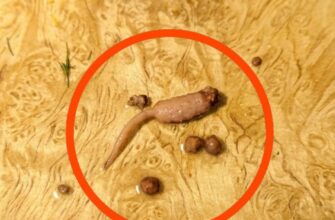
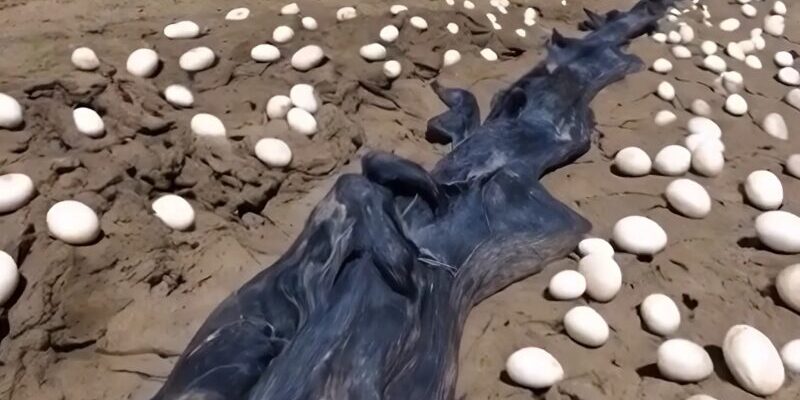
Dozens of tiny, translucent, bluish-gray eggs were scattered across a stretch of land where a light rain had just fallen.
They were dispersed as though they had been spread out on purpose. It was unlike anything Thomas had ever seen. The eggs appeared too little for birds and too big for insects.
Instead of touching them, he chose to take pictures and forward them to a nearby biologist.
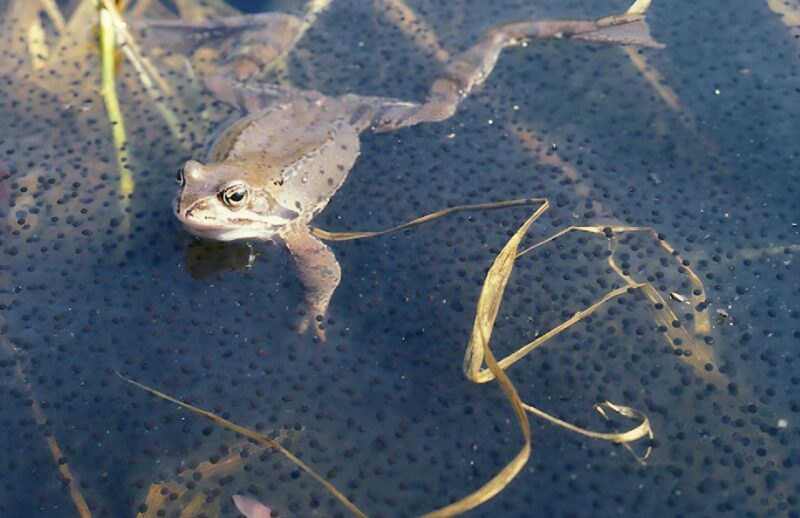
Experts from the University of Nebraska arrived the following day. They swiftly concluded after inspecting the place that it was neither a biological hazard nor an abnormality.
Thomas discovered a clutch of spotted tree frog eggs, a species that scientists claim is growing more prevalent in the area as a result of climate change and increased humidity.
The fact that the eggs were on the soil rather than in water, as is typically the case, was unique.
According to biologists, the female may have placed the eggs in a makeshift pool that developed between plant rows following a period of intense rain. Maybe she tried to adjust to the new circumstances, or maybe she made a mistake.
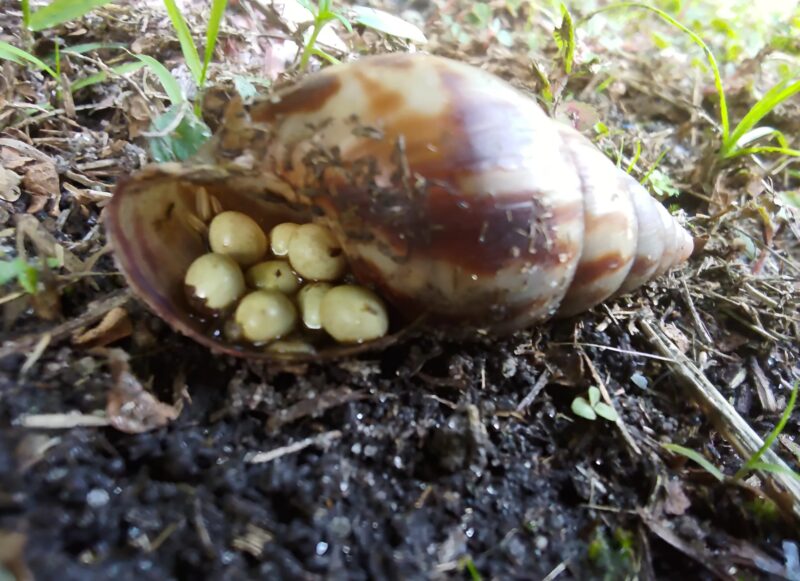
Thomas was shocked to learn that some of the eggs really hatched into little tadpoles after a few days. He reserved a little space and filled it with water so they could keep growing.
Unfortunately, the dirt quickly dried out, killing the other eggs.