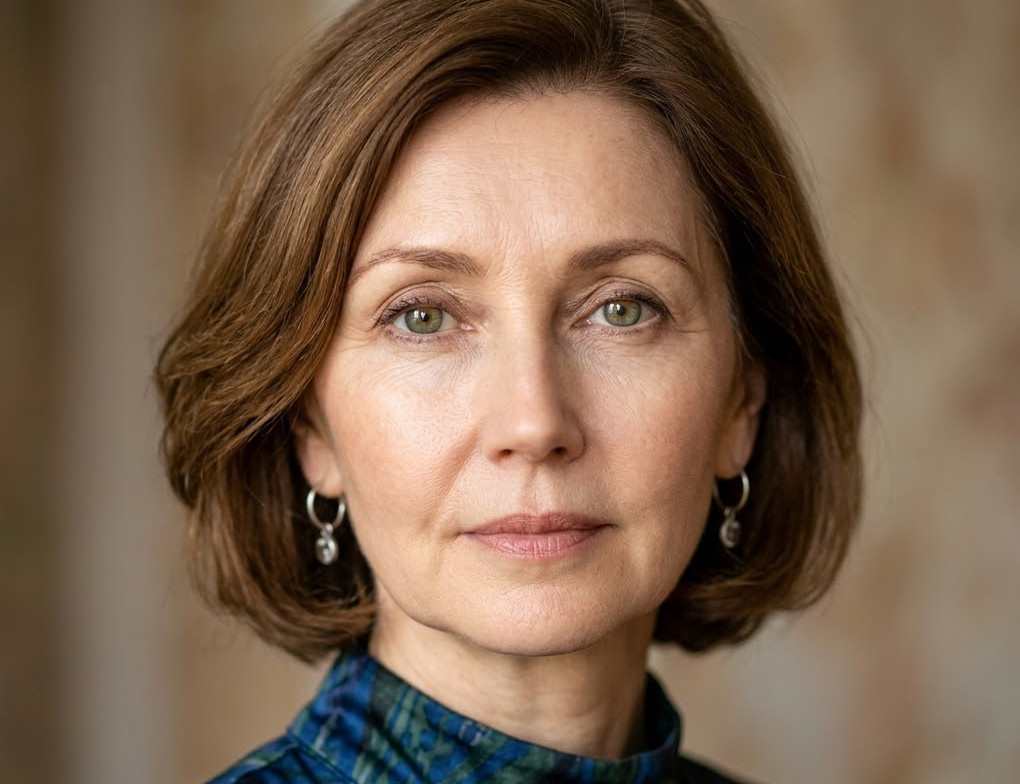
Akos sat in the dim light of his study, staring at a thick kraft-paper envelope. Fifteen years of his life now fit inside that flat rectangle bearing the logo of an independent laboratory. Inside were not merely numbers and genetic markers — there was a burden capable of destroying everything he had spent years carefully building.
From the kitchen came the muffled sound of a knife tapping against a cutting board. Ilona was chopping vegetables with exaggerated precision, trying to drown out the sticky silence. Matiáš sat in the corner of the living room, his hood pulled over his head and his hands buried deep in the pockets of his sweatshirt. The headphone wires cut him off from the world, but from the stillness of his shoulders, Akos knew his son wasn’t listening to music.
He was listening to the house.
Akos pulled open the envelope. The paper tore with an unpleasant crack that sounded far too loud. He unfolded the document and immediately scanned past the allele tables to the final line. The letters blurred before his eyes as though they were written in a foreign language. Their meaning reached him slowly, fighting its way through the noise in his head.
— And? What’s in it? — Ilona’s voice sounded dry, stripped of its usual warmth. She stood in the doorway, drying her hands with a towel, her fingers visibly trembling.
Akos didn’t answer. Slowly, he lifted his gaze toward Matiáš. The boy removed one earbud and looked directly at his father — not with defiance, but with an unsettlingly adult readiness to take a blow.
— You… — Akos’s voice broke. — Are you really my son?
Matiáš didn’t even flinch. Calmly, he set his headphones on the table.
— Dad, are you serious? Look at me. Do I look like a child who was swapped at birth?
Something heavy shifted inside Akos’s chest. He wanted to rely on cold science, on percentages and charts, to hide behind them from that living, painful gaze.
— I had to know for sure — he said hoarsely, crushing the paper in his hand. — For certainty. For peace of mind.
Ilona smiled bitterly.
— Peace of mind? You destroyed our world because of a drunken joke from a neighbor, Akos. If the result is positive, can you really erase this day from your memory? Can you look him in the eyes the way you used to?
Akos remained silent. The image of perfect fatherhood he had nurtured for years was cracking apart before him. Without a word, Matiáš stood up, brushed his shoulder against the doorframe, and walked to his room, closing the door behind him. The air in the apartment felt metallic and heavy.
Later, sitting on the edge of the bed, Akos read the result once again.
Probability of paternity: 99.99%.
Matiáš was his son. A biological, undeniable fact.
And yet, relief never came.
The worm of doubt had simply found a new place to live.
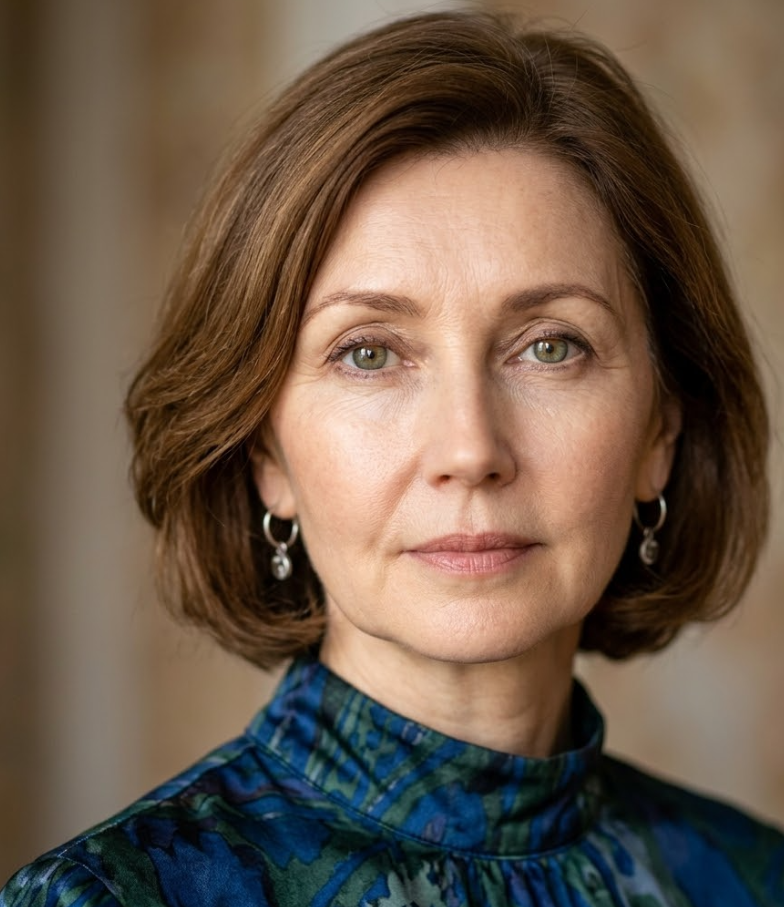
“Then why is he like this?” the thought pulsed in his temples.
He remembered himself at fifteen: a shy, awkward boy who always stood on the sidelines. And Matiáš? Confident, well-liked by teachers, talented, with a guitar slung over his shoulder and an easy smile. They were nothing alike. They didn’t share the same habits. To Akos, that difference felt like a personal failure.
Ilona entered without knocking and placed a cup of tea on the bedside table.
— You’re holding that paper as if it were an arrest warrant — she said quietly. — The test confirmed what I’ve always known. Matiáš is your son. What more do you need to stop punishing us?
— Just look at him! — Akos whispered sharply. — He has different eyes, different hair. He thinks differently! Where did all of that come from?
— Where from? — Ilona stepped closer. — From his own life, Akos. He isn’t your improved copy. He’s a separate human being. But you’re so busy looking for yourself in his face that you no longer see the boy himself.
The bedroom door opened slightly. Matiáš stood in the doorway.
— If I’m not good enough for you, Dad… if I’m not the son you wanted, just say it — he said calmly. — But stop constantly judging me. It’s suffocating.
Akos froze. His son’s words struck the most sensitive part of him.
Ilona placed a hand on her husband’s shoulder.
— If you don’t accept his right to be different now, no numbers on that paper will help you. You’ll lose him. Not because of genetics, but because of your own foolishness.
Just before midnight, Akos sat alone in the dark living room. The laboratory report lay on the coffee table. Every question had been answered, yet the broken trust remained unrepaired.
From Matiáš’s room came the quiet sound of a guitar. The same simple melody he had been learning five years earlier at music school. Back then he used to mix up the chords, get frustrated, and Akos would patiently tune the instrument for him.
That clumsy yet familiar melody moved him more deeply than any argument ever could.

A moment later, Matiáš walked into the living room with a guitar in his hand and sat down across from his father.
— Did you really believe Mom could do something like that? — he asked quietly.
Akos swallowed the lump in his throat.
— No… It wasn’t about your mother. It was about me. I looked at you — so talented and confident — and I couldn’t understand how someone like you could have grown from a man like me. I was afraid that I was a stranger to you.
Matiáš set the guitar aside and looked him straight in the eyes.
— Dad, I am your son. Not because a test result says so. I’m your son because you taught me how to ride a bike. You picked me up from school when I broke my arm. You sat beside me when I couldn’t play even the simplest chords. I don’t need to have the same eyes as you to be your son.
Something inside Akos, stretched tight for months, finally gave way. A warm tear rolled down his cheek, and he didn’t even try to hide it.
— I’m sorry — he whispered. — I was a complete idiot. I got lost in my own fears.
Matiáš sat down beside him and simply placed a hand on his back. It wasn’t a dramatic movie-style embrace. It was a quiet, masculine act of forgiveness.
Ilona watched them from the hallway. She didn’t come any closer. She knew that moment belonged only to them.
Akos picked up the crumpled DNA test result, carefully folded it into four parts, and placed it in the farthest drawer beneath old photo albums. He knew he would never take it out again.
They no longer needed that piece of paper.
True kinship does not require stamps or signatures. It is born every day — in conversations, memories, forgiveness, and love. Here, in the dim light of the living room, with the soft hum of the television and the calm breathing of his own son, so different from him and yet undeniably his.