
I Married My Dying Patient to Grant Her One Last Wish. Then Her Inheritance Nearly Destroyed My Career.
I was 30, a doctor with a medical degree and student loans I could barely afford. Becoming a doctor had always been my dream, and I’d worked weekends throughout medical school to make it happen.
Then I met Alicia, an 18-year-old cancer patient with a smile that could brighten the entire oncology floor.
Even when treatment left her exhausted, she joked with the nurses and found ways to make everyone laugh.
I’d known her for six weeks when her condition suddenly worsened. The medication had stopped working, and her doctors believed she had only days left.
One afternoon, she asked me to sit beside her bed.
“I have one last wish,” she said.
“What is it?”
“I want to marry you.”
I thought she was joking, but she explained that she wanted one big thing in her life that she could choose for herself.
“Alicia, I’m your doctor. This isn’t appropriate.”
“Why does having less time make my wish less worth considering?”
I knew I should refuse. Instead, I convinced myself that giving her one happy memory was worth the risk.
I arranged for another physician to take over her care, but I never consulted my supervisor about the marriage.
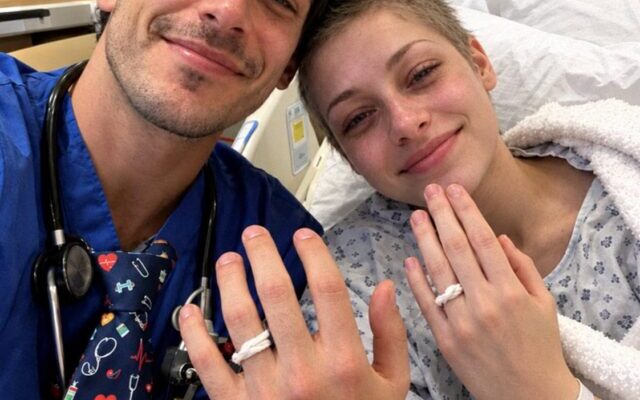
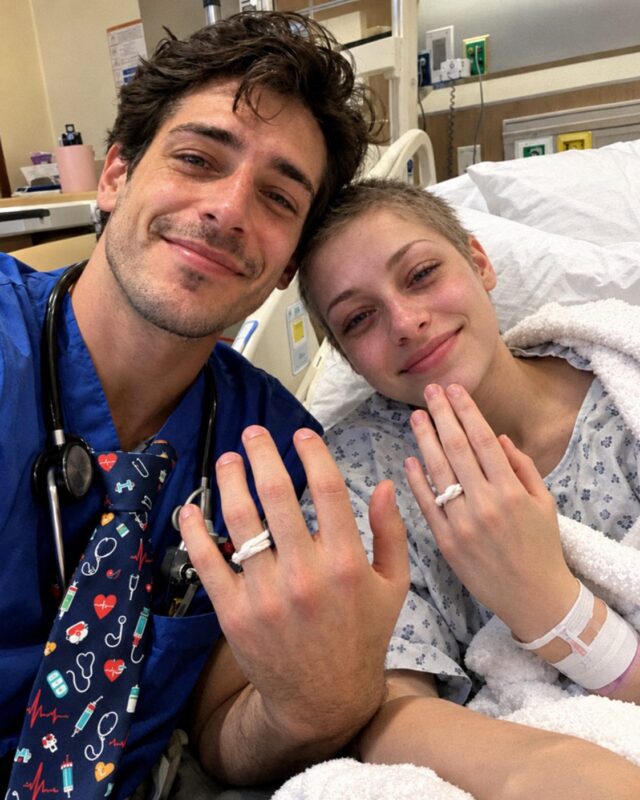
The next day, we married in her hospital room. I wore a tie, and a nurse made rings from clean bandages. Alicia wore a white scarf over her head, and her sister, Nora, brought flowers.
She smiled throughout the ceremony.
“Thank you,” Nora told me afterward. “You gave her something.”
I left believing I’d done a good thing.
Two days later, Alicia died.
At her funeral, I felt unsure of where I belonged among the people who had loved her all their lives.
As I walked toward my car, Nora hurried over with a sealed box.
“She wanted you to have this after she was gone.”
Inside was a lawyer’s letter explaining that Alicia had left me her share of her grandmother’s inheritance.
The money was enough to pay off every student loan I owed.
I stared at the amount in disbelief.
Then Nora saw the letter.
“What the hell? She left you Grandma’s money?”
“I didn’t know about this. I swear.”
“Then why did you marry her?”
“It wasn’t romantic. You knew that.”
Nora’s face hardened.
“Now I can see what you got out of it. I’m reporting you to the hospital.”
She walked away before I could respond.
That night, I entered the inheritance amount into my loan calculator. My balance disappeared, and for a moment, I imagined finally giving my parents a comfortable life.
To find out what happened next, check the comments below 👇👇👇
Then guilt set in.
The next morning, I called the lawyer and refused the inheritance.
I also called Nora, hoping she’d reconsider her complaint.
“Refusing it now proves nothing,” she said. “You got caught.”
I couldn’t convince her otherwise.
When I arrived at the hospital, my supervisor, Dr. Patel, was waiting for me.
“Your patients have been reassigned. I need your badge.”
She reminded me that marrying a patient crossed a professional boundary, even though I’d transferred her care.
“Am I losing my job?” I asked.
“That’s what the review has to determine.”
I handed over my badge.
At home, I finally opened Alicia’s handwritten note.
Her grandmother had left money to both sisters to help them build their futures. Alicia had remembered how I’d worked through medical school and struggled with debt.
“You told me how hard you worked. Everyone calls you lucky to be a doctor, but I don’t think they know what it cost.”
She continued:
“I can’t use my share for the life Grandma wanted me to have. Maybe it can give you some of yours back.
The wedding was something I wanted. This is something I want to give you. You deserve to have a good life, doc.”
I felt understood, but her kindness didn’t erase my mistake.
When I told my parents what had happened, they were shocked by Alicia’s age and questioned why I’d agreed to marry her.
“Because there wasn’t anything else I could do for her,” I said.
Mom shook her head sadly.
“That doesn’t mean marrying her was the solution.”
They believed I hadn’t pursued Alicia for money, but they didn’t think that made my decision right.
Meanwhile, Nora posted our wedding photograph online, accusing me of exploiting her dying sister for an inheritance.
The accusation spread quickly.
I wanted to defend myself, so I considered sharing Alicia’s private note. But I realized I was about to use her personal words to protect my reputation.
I put my phone down.
The hospital review continued, and my professional future remained uncertain. With my income at risk, my father offered me work at his shop.
“I’m a doctor, Dad,” I protested.
“I know. I’m offering you a way to pay your bills.”
I accepted.
One day, while working behind the counter, I called Nora and asked to meet. She wanted Alicia’s scarf and bandage ring returned.
When we met, I placed the keepsakes and the inheritance refusal papers on her kitchen table.
“I’m not apologizing,” she said. “I had every right to complain.”
“You did.”
I took a breath.
“I was her doctor. I was responsible for my decision. Her asking didn’t change that. I should have refused the marriage, but I didn’t marry her for money.”
Nora remained skeptical.
“The inheritance changed everything.”
“I understand why it raised questions. But I want you to tell the hospital what you actually witnessed, not what you suspect.”
She examined the papers but reminded me that they couldn’t prove I hadn’t known about the money beforehand.
“You’re right,” I admitted. “They show when I learned about it and what I did afterward.”
After a long silence, Nora agreed to write a statement. She explained that she’d helped with the wedding, understood it wasn’t romantic, and had no direct knowledge that I’d expected an inheritance.
She didn’t withdraw her complaint or excuse my decision. She simply told the truth about what she’d witnessed.
She also corrected her public post.
Before I left, she asked, “If they let you return, what happens when another patient asks you for something you shouldn’t give?”
I nearly promised I’d never make that mistake again.
Instead, I said, “I’ll ask for help before I answer.”
A few weeks later, the hospital completed its review.
They found no evidence that I’d deliberately exploited Alicia for financial gain. However, they concluded that I’d exercised poor professional judgment.
I was allowed to return under strict conditions: a formal reprimand, mandatory boundary training, and supervised clinical work.
I accepted.
I also completed the paperwork refusing Alicia’s inheritance. I still had my loans to repay, and I continued working Saturdays at my father’s shop.
On my first morning back at the hospital, I stood outside the ward with my new badge in hand. A loan payment reminder appeared on my phone, but I put it away.
My hand trembled as I held the badge to the reader.
The door clicked open.
Dr. Patel looked at me sternly.
“No more weddings, Lucas.”
I nodded.
I’d wanted to help Alicia, but good intentions hadn’t made my decision right. Her final gift had taught me that compassion without boundaries could hurt the very people we wanted to help.
This time, I was determined to remember the difference.