
On my son’s wedding day, I was the last person to be served — and they gave me a plate of cold leftovers. He laughed and said to his newlywed wife: “She’s used to taking whatever life leaves behind.” The guests laughed with him. No one noticed when I quietly walked out.
But the next morning, his hands trembled as he read the letter I sent him.
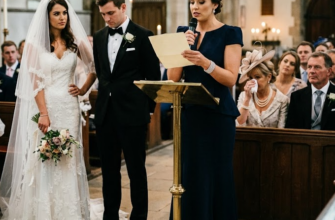
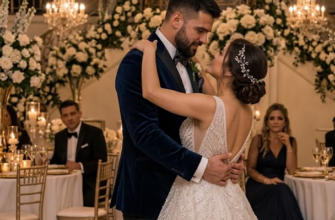
Linda Carver had always imagined her son’s wedding as a memory for a lifetime — her only child, Michael, stepping into a new chapter of his life. The ceremony in Napa Valley was exactly as she had dreamed: cloudless sky, soft vines, a gentle breeze lifting the bride’s veil.
But during the reception, when it was time for dinner, Linda felt a subtle tension. Guests laughed, clinked glasses, waiters carried plates swiftly, and she waited quietly, hands folded, smiling politely, though a tightness grew in her chest.
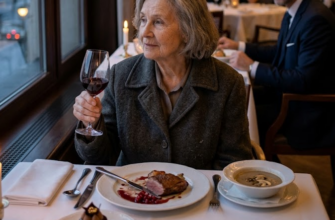
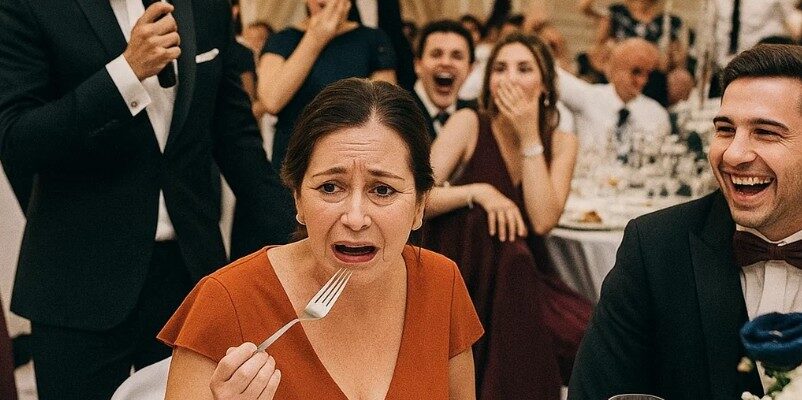
When the waiter finally placed a plate in front of her, it was full of cold leftovers: lumps of potatoes, wilted lettuce, and a piece of chicken as if scooped from someone else’s plate. She opened her mouth to say something polite, but Michael saw it first and burst out laughing: “Mom is used to eating whatever life leaves behind,” he joked to his wife Emma, who awkwardly stifled a sob. Some guests laughed too loudly, others uncomfortably. Michael didn’t stop, continuing to joke about her being a “leftovers master,” about how she cooked when he was a child.
Linda felt her face burn, but she only nodded and forced a polite smile. The room around her blurred, and she quietly slipped out through a side door into the evening vineyard light, where the lights looked like distant, indifferent stars. She returned to the hotel in silence. She didn’t cry that night.
But the next morning, after replaying the humiliation she had experienced at the wedding, she opened her laptop and wrote Michael a letter. It was calm, thoughtful, and mercilessly honest.

When Michael woke up, his phone was buzzing with notifications. Friends were posting pictures from brunch, relatives sharing happy shots of the couple. But when he saw the subject line, “From Mom,” Michael’s hands trembled. He opened the letter, and the smile vanished from his face — he went pale. That’s when the real story began.
Michael had grown up believing that his mother was unshakable. She worked six days a week in a medical records office and took on extra work on weekends. She wasn’t overly affectionate, but she was dependable — always providing stability at home and food on the table. For a child, that was enough.
But growing up changed his perspective. He received a scholarship, moved to San Francisco, and rarely looked back. Linda visited only when invited and always stayed at a motel “so as not to intrude.” She told herself that was how it should be.
Planning the wedding only widened the distance between them. Emma, always polite, treated Linda like a stranger. At the rehearsal dinner, no one introduced her to the guests; in family photos, she stood at the edge, like a distant relative. On the wedding day, Linda was already exhausted. She helped with everything: adjusting dresses, pinning boutonnieres, carrying forgotten bags. Her own dress was modest — light blue, so as not to stand out. She told herself it was enough just to be present.
One day, Michael joked with Emma’s relatives about his “resourceful mother.” Childhood stories that once seemed charming now sounded like a reason to laugh. To Emma’s family, it painted a picture of a woman living on leftovers. That’s why Michael’s comment at the reception was so hurtful.
Linda quietly left the room; no one noticed. The next morning, when Michael opened her letter, he realized for the first time how completely he had misunderstood the woman who had given him everything she had.
There were no accusations or drama in the letter. She simply listed the facts: the months she skipped meals to pay for his activities; the winters when he wore a new coat while she used an old one; the countless evenings she cooked dinner after work, helped with homework, and saved the leftovers for herself.

She ended the letter with the words: “Michael, I don’t need your gratitude. I never expected it. But yesterday made it clear that you don’t see me — not as a parent, nor as a person. I hope that one day you will. Until then, perhaps it’s better to keep some distance.”
Michael left his phone on the bed. Emma, still half-asleep, asked what had happened. He told her — she just shrugged: “She’s probably just tired. Weddings are emotional.”
The rest of the morning, Michael spent in a rush, trying to reach Linda, sending messages — with no reply. Soon he learned that she had already gone to Sacramento. Something inside him broke.
In the following weeks, the tension grew. Linda kept her distance, responding briefly and politely. Michael understood the weight of his mistake and, on a cold January morning, drove to Sacramento to see her without warning.
They talked for a long time at a small kitchen table. No shouting, no scenes — just honesty. Michael sincerely asked for forgiveness, and Linda asked difficult questions. In the end, they decided to rebuild their relationship — slowly.
The wedding remained a wound, but it no longer defined their lives. Over time, Michael became more caring, more attentive to his mother’s quiet sacrifices, and Linda, for the first time in a long while, allowed herself to hope that her son had truly started to see her.
Their relationship would never be the same — but perhaps that was exactly what was needed for something better to emerge.