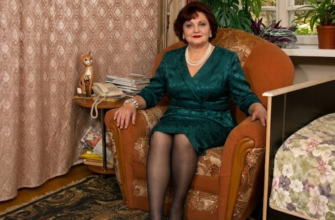

My name is Emily, I am 56 years old. After the divorce I live alone in my three-room apartment. My son has long lived separately; life and work are calm and predictable. I got used to independence and value my private space, my home. I liked that everything was under my control, that every day I could do what I wanted without extra demands and constant pressure.
A few months ago I met Marek. He is 59, a widower, and works as a security guard. We met at a clinic, talked, and then went for a walk together again. His attention pleased me; after many years of loneliness I wanted to feel warmth beside someone close again. We walked in the park, drank coffee, sometimes just sat on a bench and watched people. I enjoyed those small moments and thought that maybe someone would appear in my life who would be interested in me.
After a few weeks he started complaining about his rented apartment: noisy neighbors, high rent, a small bathroom, dampness. One day he said: “Emily, you have three rooms. You live alone. Maybe I could move in for a while? For a few months. I’ll pay utilities and help around the house.”
I had doubts. Honestly, something inside told me this was not entirely an ordinary proposal. But I wanted to trust him, I wanted someone alive and real beside me. I agreed.
The first days were calm. But gradually I noticed disturbing signs. He began correcting everything I did. I cut vegetables — he takes the knife to show the “right way.” I fry fish — he interferes and says: “You’ll dry it out, let me show you.” At first I thought it was care. But care quickly turned into control. He set his own rules: air the room every hour, go to bed no later than ten, keep the TV quieter. He moved furniture “for better energy” and threw away some of my things, calling them “trash.” He checked my groceries, forbade sweets and made product lists.

Inside me, a feeling of anxiety kept growing. I tried to calm myself: “Maybe he just wants to help.” But the uneasiness only increased, and I understood that this was no longer care and that I couldn’t keep living pretending it was normal.
The real fear appeared when my son Daniel called. “Mom, can I stay with you for a few weeks? I argued with my girlfriend.” I happily agreed. But Marek sharply protested: “Seriously? It’s already cramped for the two of us. Where do you want to put him?”
At first he ignored him. Then the arguments began. He shouted, demanded things be removed from the hallway, insisted on “putting my son in his place.” Everything inside me froze: this is my home, my apartment, my rules — yet he behaved as if it were his space. I realized I had lost control over my own place, that every corner of my apartment had stopped belonging to me.
I understood I had to act. Calmly but firmly I said: “Pack your things. You have an hour.” He tried to argue, blamed Daniel, but I stayed calm. After forty minutes he left, and for the first time in a month I felt peace and safety in my home.
Daniel stayed with me for three weeks. We talked a lot, laughed, sometimes simply sat silently together in the kitchen with a cup of tea. He reconciled with his girlfriend and returned home. Before leaving he said: “Mom, if someone starts giving orders in your home — that’s a warning sign.”
I smiled and understood the most important thing. Kindness is beautiful, but personal boundaries are important. Home is the place where I am the host. I learned to say “no” calmly and firmly without losing peace. I asked Marek to move out because I couldn’t allow someone to control my home and my life. The feeling of relief, confidence and calm — that is what comes when you understand your boundaries are protected and your home belongs only to you again.
Now I sit on the sofa, drink tea, listen to the quiet creak of a branch outside the window, and understand that happiness is not only kindness, but also the feeling that your home belongs to you and not to someone else’s will to control.