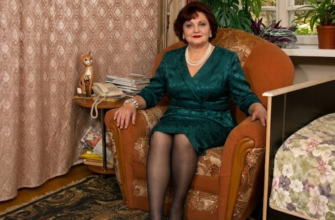

Mom handed me a carefully prepared folder of documents, her face showing something like triumph.
— We’ve made a new will — she said calmly, though with inner tension. — Everything will go to Mark and his children. You won’t get a penny.
I looked at her calmly, without surprise, without resentment. I just smiled.
— In that case, Mom, don’t expect a penny from me either — I replied quietly.
At that moment, something inside me seemed to click. I realized: it was time to stop holding on to something that had never really existed.
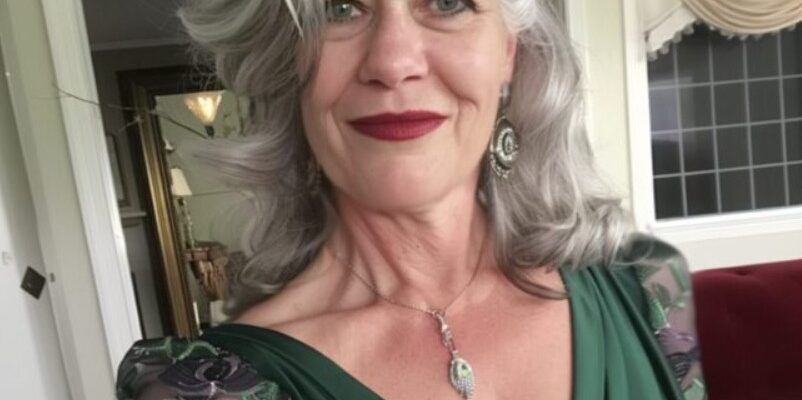
My name is Rachel, and since childhood, I felt my role in the family was to remain in the shadows. My brother Mark was the center of the universe: his mistakes were called “courage,” his accidental actions were considered brilliant, and his dreams — grand. Meanwhile, I had to constantly prove my right to love.
When I was eleven, I first realized how unfair this system was. I had been saving my allowance for a long time to buy Mom the creams she once admired in the pharmacy. Mark, of course, forgot the gift. In the morning, he handed her a napkin that read: “I love you, Mom.” And you know what? She cried, calling him a caring and exceptionally sensitive child. She didn’t even notice my gift.

I quickly learned: my worth in this family was measured by silence and invisibility.
At eighteen, I left for college. I received a scholarship, worked nights, and graduated debt-free. Later, I started my own company producing eco-friendly packaging, and gradually my business became successful. I worked honestly, helped people, participated in charity projects. Yet my parents never asked about my achievements.
At family gatherings, they listened to Mark with admiration, even when his projects kept failing one after another. My existence seemed to slip by unnoticed. And still, I helped: I paid Mom’s medicine, Dad’s bills, bought my nephew a laptop for school. I didn’t do it for recognition, but because I believed that’s what family does.
But when Mom placed the will in front of me, I felt — it was time to put a period.
That day, I left with ease. And for the first time in many years, I allowed myself not to be the “support” for everyone. I stopped paying their bills, closed automatic transfers, gave up the role of “rescuer.” At first, guilt troubled me, but then another feeling appeared — freedom.

For the first time, I had space to breathe. I bought a house by the sea, shortened my work hours, and started spending more time painting. In the mornings, I would sit with a brush by the huge window and watch the waves crash against the shore. In that rhythm, I gradually found myself.
Then came a letter from Mom. It contained no accusations or reproaches — only an admission. She wrote that Mark had lost his job, that he was struggling again, that Dad was sick and needed care. At the end, she added: “I miss you, Rachel. I miss your kindness and strength. Forgive me for so rarely telling you this.”
The old me would have rushed to help. But now I was different. I took the letter to my therapist and for the first time asked myself honestly: “And what do I want?”
A few weeks later, I did go to my parents. Not with money or promises to save everyone, but with only my own truth.
When Mom opened the door and saw me, she was surprised. We sat in silence for a long time, then I said:
— You excluded me not only from the will. You excluded me from your heart.
She cried. For the first time in many years, I heard the word “sorry” from her. I didn’t promise to forget everything, but I allowed myself to be heard.

I hardly spoke to Dad — but his gaze was gentler than before. Mark avoided meeting me, and that no longer mattered.
I left that same evening. In my heart, I felt peace. I made no promises and took on no new responsibilities. I simply spoke my truth and walked into a world where I could live free.
Today, when I wake up in my house by the ocean, I know: my life finally belongs to me. I paint, I meet people who value me for who I am, not for what I can give.
The will became a symbol of breaking away, but that break opened up something greater — the right to my own “self.”
Sometimes liberation doesn’t come through revenge or struggle. It comes when we stop asking for love where it never existed and start building our life the way we truly need it.
And that, I think, is the real victory.