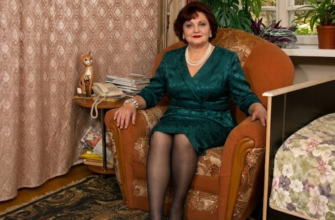

“We will have to part ways, Anna Mikhailovna.”
Viktor Sergeyevich Morozov’s voice was cold and steady, like words sliding over oil, almost contemptuous. He leaned back in his chair and twirled an expensive pen between his fingers, like a conductor’s baton.
“Reason?” I asked calmly, without emotion, though inside I felt an icy lump in my throat.
Fifteen years at this company. Fifteen years of sleepless nights, reports, projects, constant dedication. All of it wiped away in a single sentence.
“Workforce optimization,” he said with a smile. “You know what that means.”
I nodded, imagining in my mind how his new niece, unable to form two correct sentences, was already preparing to take my place.
“I understand that my department achieves the best results in the branch,” I said calmly, looking him straight in the eyes.
His smile faltered and turned predatory. He put down the pen and leaned forward, his voice dropping to an almost whisper:
“Results? Anna Mikhailovna, let’s be honest. You belong to the past. Old guard. People like you should retire, take care of grandchildren.”
He paused, savoring the effect.
“You have become an old, exhausted failure, clinging desperately to your position. And the company needs drive.”

The words sounded like a verdict. Not “an experienced employee,” not “a company veteran”—simply: an old failure.
I remained silent and stood up. There was no point in humiliating myself, arguing, or proving anything. Everything had already been decided.
“You can collect your documents and settlement from accounting,” he tossed over his shoulder.
I gathered my things from the desk under the sympathetic eyes of coworkers, who lowered their gaze in pity. No one dared come closer. Fear of Morozov was stronger than any friendship.
In the box, I placed a photo of my son, my favorite mug, a stack of magazines. Every item felt like an anchor torn from my life.
When I stepped through the glass doors of the business center, I inhaled the cool evening air. No tears, no despair. Only a clear emptiness and a cold, calculated rage.
A message blinked on my phone screen:
“Everything according to plan tonight? I’ll wait for you at seven at our restaurant. Artyom Viktorovich.”
Morozov didn’t know one thing. That evening, I had a meeting with the owner of the entire company. And that evening was going to change everything.
The restaurant welcomed me with soft music and dim lighting. I felt strange holding the cardboard box in my hands—a symbol of exile, yet also a weapon of truth.
Artyom Viktorovich was already sitting at a table by the window. When he saw me, he stood—tall, elegant, with his characteristic warm smile. But his eyes fell on the box, and the smile vanished.
“Anya? What is that?”
“My trophies after fifteen years of loyal service,” I tried to say lightly, but it came out bitter.
Silently, he took the box and placed it on the chair next to him, pushing my chair back.
“Tell me,” he said. “Now.”
I spoke. Without hysteria, dryly, like a report. I repeated the entire dialogue with Morozov, leaving out no detail.
“He said I’m an old failure,” I finished, looking at my hands resting on the white tablecloth.
Artyom was silent. His face was calm, almost unreadable, but in the depths of his eyes, I saw something dark and determined.
“And you just walked away?” he asked quietly.
“What could I do? Cause a scene? Beg to keep my position—the same one I built from scratch?”
“You should have called me. Immediately.”

“To solve my problem? For me to come and complain like a little girl? Artyom, I don’t play those games.”
He took my hand.
“I know. That’s why I’m here with you. You never ask for anything. Before, there were complaints about Morozov: despotism, nepotism. But those were rumors. Now they are facts.”
At that moment, my phone in the bag rang. A message from my former subordinate:
“Girls, you won’t believe this. Morozov brought in his protégé and made her the new boss. And about Anya M., he said he ‘removed ballast hindering development.’ For everyone.”
Silently, I showed the message to Artyom. His face became stern. Calm vanished, replaced by something cold and sharp, like the edge of a knife.
“He didn’t just fire you. He wanted to humiliate publicly. This is no longer personal resentment—it’s an attack on authority. He crossed the line.”
Artyom put down the phone and looked at me.
“I won’t fire him with one phone call. That would be too simple. Tomorrow—board of directors meeting. Morozov will have to answer for his ‘successful optimization.’”
He paused, and a steely spark flashed in his eyes.
“And you will come with me as my special advisor. You’ll prepare a counter-report with data, facts, graphs. Everything he hid from headquarters. We’ll let him hang himself.”
I spent the night at Artyom’s laptop. For the first time in a long while, I didn’t feel humiliated—only adrenaline. I compared reports, analyzed archives, gathered facts.
By morning, the document was ready: twenty pages of in-depth analysis proving that Morozov systematically harmed the company, sabotaged promising projects, and created a toxic atmosphere that drove away valuable employees.
At the board meeting, Morozov was giving a triumphant speech when we entered. He froze. I wore a sleek suit in stormy sky color—a sense of armor and strength.
“Artyom Viktorovich?” he stammered. “What is Anna…?”
Artyom smiled without warmth:
“Meet your new special advisor. Today she will continue your presentation.”
I stepped forward. The projector lit up, and I began presenting facts, numbers, and evidence. For the first time in fifteen years, I felt justice was near.