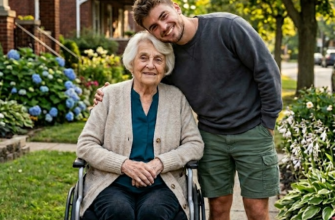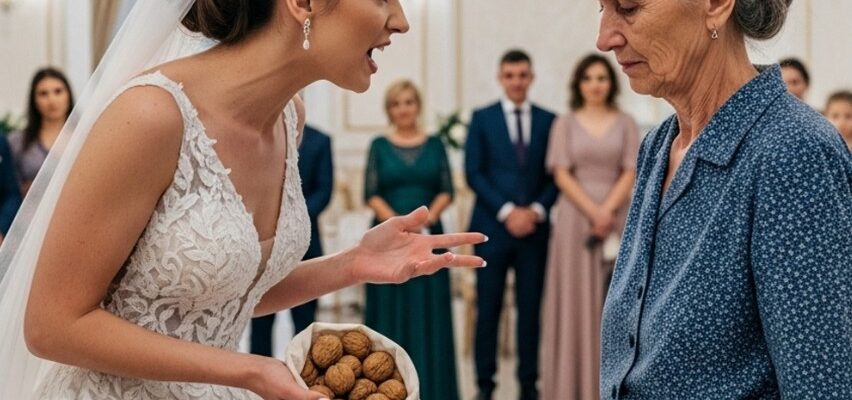

My name is Rachel, I am twenty-two years old. If you asked me where I grew up, I wouldn’t point to my parents’ apartment, but to my grandmother’s small, creaking house. Mom and dad were always working, and grandma worked at what she loved most — taking care of me. Her house always smelled of lavender and old books, and the floor quietly creaked under my feet. Every evening she would bring me a small plate of walnuts — already shelled, the shells carefully broken with a tenderness only grandmothers can manage.
“Eat, my dear,” she would say, placing the nuts in my hand so I wouldn’t get dirty. “They strengthen the heart.”
I was born with a heart defect, and grandma protected me as if I were made of thin glass. Then I grew up — and decided that there would be nothing “old” in my life. Designer items, rooftop restaurants, photos taken at just the right angle to the sun. I replaced lavender and lace curtains with marble countertops and a tight schedule of meetings. Grandma’s house started to seem too simple, “outdated.” I even complained about the smell, as if love had an expiration date.
It hurts me to write these words.
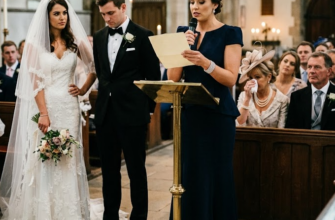
When I was preparing for my wedding, everything had to be perfect — a fiancé with a flawless smile, guests with shiny CVs, an atmosphere of “successful people.” Mom begged:
“Please, invite grandma.”
I hesitated — after all, she didn’t fit into my new world. Still, I invited her, but without joy.
Grandma came in a faded blue dress she had hemmed herself. Her hair tied with an old silver clip — the same one I used to play with. In her hands, she held a small, worn cloth bag, spotted, as if found at the bottom of a drawer. She handed it to me:
“Open it later, my dear. There’s a surprise inside.”
I peeked inside — walnuts. Dusty shells, uneven seams. My face turned red.
“Really?” I hissed. “It’s a bag of walnuts. Grandma, this is a luxury wedding! You brought… this?” — and, hearing my own words, I couldn’t stop. “You’re humiliating me. Please, just go.”
She lowered her gaze, like those who can be soft in the face of harsh words. Mom cried. Grandma silently turned and left — quietly, like a memory.

Two days later, she called:
“Did you open my gift, Rachel?” — her voice was the same, warm.
I replied that I was busy and promised to call back.
That evening, she called again:
“Open the bag, my dear.”
“Please, stop bothering me,” I said, irritated, and hung up.
Then — errands, trips, meetings. I shoved the bag into the closet, behind boxes of candles.
And suddenly — the phone call that shattered everything. Grandma was gone. The air smelled of lilies and tears. I stood by the photograph of the woman whose hands could fix everything — even a frightened child. People told stories: how she left gloves on the neighbors’ porch for children, how she discreetly slipped gift cards into church envelopes, how she lived simply and loved generously.
I cried until my throat went dry. On the way home, I still saw her at the wedding door — with the same little bag. I wanted only one thing — to open it.
But I never made it home. The driver in front of me braked suddenly, tires screeched, impact… I woke up in the hospital — flat monitor line, pain in my arm.
“The bag… bring the walnuts,” I whispered.
My husband put an old cloth on my lap. The knots untied easily. Inside — ten walnuts, their shells slightly sticky, as if glued with love and awkward care. I took one. On the seam, I noticed a trace of glue. I pressed with my nail — the shell cracked. On the blanket fell a tiny roll of blue thread, wrapped around a note:
“Sometimes you forget how to breathe. Then you remember. I love you. — Grandma.”

In another walnut — a thin gold ring with a small aquamarine, the color of the ribbon Grandma once tied around my wrist after a doctor’s visit. Inside, engraved: R + L — Rachel and Lily (her name). Nut by nut — tiny treasures: my childhood photo without front teeth, a thimble the size of a fingernail, a dried violet, a small key. At the bottom of the bag — an envelope with the words: Open at the end.
My dear little girl, all my life I cracked walnuts for you so your hands would stay clean. You didn’t like shells getting your hands dirty, and I loved giving you ready halves. I wanted to do it one last time. You might think I don’t understand your new world. Maybe I don’t. But I remember what it used to be — colorful, like crayons, and small, like our kitchen table. Those things from that world: the ring your grandfather gave me, the flower you tucked behind my ear after a good doctor’s visit, the thimble you called the “iron hat.” I saved them for the day you would want to put yourself back together again. The key opens a small cedar box in my closet. Inside — the rest of the gift. If I’m not there when you read this, forgive the old-fashioned packaging. I wanted you to sit while opening it — like we did after dinner. Eat a walnut for me. They strengthen the heart. They always have. I love you more than any holiday could hold. — Grandma (Lily)
After being discharged, I didn’t go home — I went straight to Grandma’s. The key clicked in recognizably. In the box lay neatly folded blankets, recipe cards, a jar of buttons, and a thick envelope with my name. Also — a notebook labeled “Walnut Record.” On its pages — notes of how Grandma saved for me: leftover fabric from hemmed skirts, savings on groceries, small odd jobs. The amounts were small — but over the years they added up. In the envelope — a savings book in my name. The money was enough to pay off my student debt. Behind it — a list: first month’s rent, if you want to start over. Fee for the course you’re afraid of. Gift card for food — give it to someone who needs it more. Bouquet for Mom. From me. And the last line: “Don’t spend a penny on appearances. Only on becoming yourself.”
I screamed — not because there was gold in the shell. But because love had been sitting in my closet all along, while I pretended that love had to shine. Grandma, who cracked the walnuts to keep my hands clean, had cracked them again, put our life inside them — knowing I might never open them. But hoping I would.
I pressed my forehead against the cedar lid and whispered the only thing I could:
“I’m sorry. Please forgive me.”
True apologies change lives.

First, I called my mom. We both cried. Then I called my husband:
“I don’t want a life where glitter matters more than meaning.”
We canceled the last payment to the wedding planner and donated all remaining gift sets to a community aid fund.
When my hand healed, I started holding Saturday classes for neighborhood teens — at Grandma’s kitchen table. I taught them to hem, patch, and transform old things into their own. We cracked walnuts and ate them straight — fingers darkened from the shells — and it felt right.
I went to her grave with a bag of fresh walnuts and a bunch of violets. I read her letter aloud. I told them how the hospital smelled, how the walnuts sounded when cracked, how the ring caught the light — just like her stories used to.
“I threw you out of my wedding,” I said to the grass. “And for the rest of my life, I will invite you into every room I enter.”
I kept the aquamarine ring and wear it on a chain. I kept the notebook and learned her arithmetic: “small + steady = enough.” I kept the recipes — and burned the cookies twice before they came out right. I kept the cloth bag — now clean, hemmed, hanging by the door. The last thing I touch leaving the house, and the first thing I see coming back.
And here’s what I left behind: the habit of measuring people by how they shine. If someone gives you a gift that seems too modest for your “glamorous” life — sit. Open it slowly. Ask about every detail. Let your hands get dirty. Perhaps in them is a map back to yourself.
Grandma promised a surprise. It wasn’t the ring, or the key, or the savings book, or even the notes in the notebook. The surprise was that love, hidden in tiny things — walnut shells, thimbles, recipe cards — can hold life together more strongly than any loud gesture. The walnuts really strengthened my heart. Not because there was gold in them. But because she was in them.