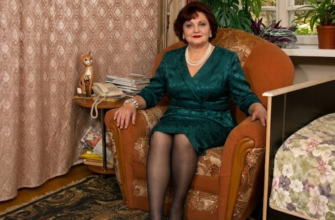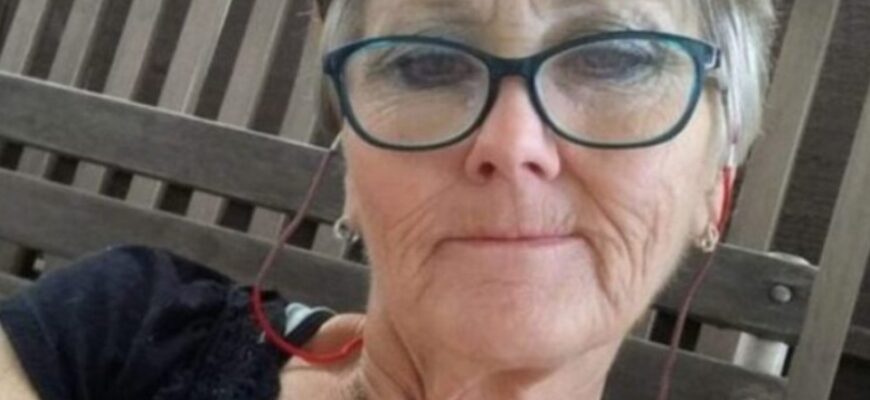

Sometimes life doesn’t bring a storm, but a quiet wind of change — barely noticeable, yet strong enough to turn everything inside out. For a long time, I lived as if everything had already been decided: I was a grandmother, a helper, a reliable support, the person without whom my daughter Lena’s day simply couldn’t begin.
She worked a lot, almost without days off. I was proud of her — young, responsible, independent. And I felt it was my duty to support her. Every morning, I woke up early, went to her house, fed my grandson, prepared him for a walk, cooked lunch, sometimes cleaned, just to make things easier for Lena. I liked being needed, seeing her grateful smile when she came back from work and saw order, a calm child, and a clean kitchen.
That was my life. My days started revolving around their schedule, their needs, their home. The books I loved lay unopened. My friends stopped calling — I was always “busy.” I didn’t notice how I gradually became part of someone else’s rhythm, as if I had melted into it. And yet, I thought that was how it was supposed to be.
Until one day, everything changed.
It was an ordinary day — I came in the morning as usual, and Lena was getting ready for work. She looked tired but calm. And suddenly, as I placed the pot on the stove, she said quietly but firmly:
— Mom, please, don’t take anything from our fridge anymore. If you want a snack — bring your own from home.
I turned around. At first, I didn’t understand what she said. Her words sounded calm, without anger, but there was a wall in them — cold, impenetrable. I felt uneasy. Not because of the phrase itself, but because of what was hidden behind it.
Everything I had lived for during the past years — my care, my dedication, my work — suddenly felt unnecessary. As if someone had erased the meaning of my days with a single sentence.

In silence, I gathered myself, put on my coat, and went home. In my head, only one sentence echoed: “Don’t take anything from our fridge.” It didn’t sound like a request, but like a boundary.
At home, I sat on the couch for a long time, looking out the window. I felt a strange mixture of sorrow and emptiness. And then — a quiet, almost unfamiliar feeling of freedom.
I took out my phone and called Lena. My heart was pounding, my hands were trembling, but I knew: if I stayed silent now, nothing would change.
— Lena — I said calmly. — I won’t be able to come every day anymore. Take care of your child yourselves.
There was silence on the other end. Then I heard her surprised voice:
— Mom, really? You know how hard it is for me. How can you do this? Is that what a good mother would do?
I sighed. There was heaviness in my chest, but certainty inside me.
— If you can’t appreciate my help — I said quietly — you’ll learn to appreciate it later.
I hung up the phone and started crying. Not out of anger — but out of relief.
The first days were difficult. Mornings without rush felt empty. I walked around the apartment, not knowing what to do with myself, and caught myself waiting for a call — maybe they would ask me to come back. But the phone remained silent.
A week passed. Lena didn’t call. It seemed that both of us were processing what had happened in our own way.
Then, on my grandson’s birthday, I went to visit them. It was a bit awkward, but the joy of seeing each other outweighed it. My grandson threw his arms around my neck, laughing and showing me his new toys. Lena was reserved, but in her eyes I saw not anger, but rather fatigue and recognition: now she was managing on her own.

We started talking again. Not every day, not like before. Sometimes on holidays, sometimes just for a moment. I helped, but no longer out of duty — out of choice. I still loved my grandson, but I no longer dissolved myself in that care.
Lena, realizing that I needed my own space, hired help — a young, calm woman. For the first time in a long while, I felt I could breathe freely.
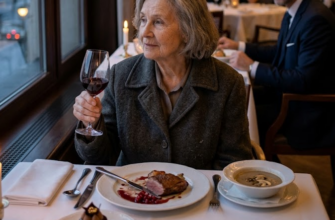
My life began to change. I took out my old books, signed up for the library, and enrolled in a painting class. I started meeting my friends again — we took walks, drank coffee, laughed like we used to. I was rediscovering myself.
Sometimes, watching people in the park, I thought: how often do women of my generation give their entire lives to others, leaving not a moment for themselves. We’re afraid of being called selfish, but taking care of yourself isn’t selfishness — it’s maturity. Because if you’re not fulfilled yourself, you can’t truly give warmth.
One evening, Lena called. Her voice was soft and calm.
— Mom — she said — thank you. I used to think I couldn’t manage without you, but now I understand how important it is for each of us to have our own life.
I smiled.
— The most important thing is that you’re all doing well — I replied.

I put down the phone and felt that there was no more resentment inside me. Only lightness.
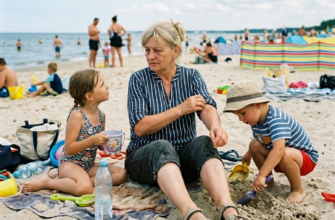
Now I visit my grandson when I want to, not when I “have to.” We go to the park, draw, read. I love those moments because they’re full of real joy, not exhaustion.
I’ve realized that love isn’t about how much time you spend together, but about the quality of your presence. Not about sacrifice, but about the freedom to be yourself — and still be there for others when it truly matters.
Sometimes I still think about the day Lena mentioned the fridge. Once, those words hurt; now they make me smile. Because that was the moment when a new chapter of my life began.
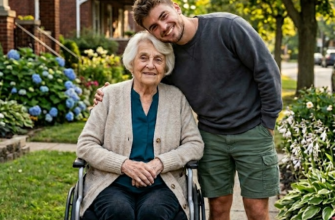
I feel like a woman again, not just someone’s helper. I have time, dreams, desires. I travel, I learn, I enjoy little things. And when my grandson calls and says, “Grandma, come, I miss you,” — I go. But not because I must, but because I want to.
Being a grandmother — that’s happiness.
But being yourself — that’s life.
And perhaps in that freedom lies true love — the kind that doesn’t hold you back, but inspires you; that doesn’t demand, but fills you with warmth.