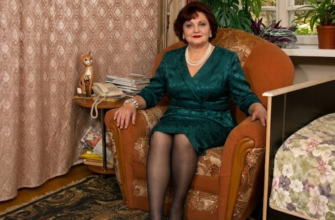

Elena Vargas felt an icy shiver run through her hands as the manager, with a swift and contemptuous motion, snatched the check from her hands. The amount — 420,000 euros — seemed to hang in the air for a moment before he stamped “Rejected” and tore the document into tiny pieces.
The scraps fell into the bin like confetti of public humiliation. Ricardo Montenegro had just destroyed that piece of paper as if it were worthless trash. He didn’t yet know that he wasn’t just tearing up a check — he had just signed his own sentence.
Elena’s Tuesday morning began as usual. She woke up at 5:30, brewed coffee, and put on her everyday outfit — worn jeans and a simple blouse. At 45, she already knew well: true wealth does not need lavish displays.
Before heading to the bank, she had spent three hours helping at a charity canteen. Her hands still smelled of ordinary soap when she entered the main branch of Banco Solario in the city center.
Marble floors, cold lamp light, strict silence — everything resembled a temple of money. Elena, indifferent to luxury, confidently approached the counter.
Three people stood in line: a man in a suit, a girl with a phone, and her — an ordinary woman, clearly out of place.
From the glass office on the second floor, the branch manager watched her — Ricardo Montenegro. At 38, he was proud of his position and convinced he could instantly distinguish a “valuable client” from someone not worth his time.
When Elena approached the cashier and handed over the check, the teller Sofia went pale:
— 420,000 euros… Señora, such transactions can only be approved by the manager.

After a moment, Ricardo came downstairs, his back straight, as if walking a runway.
— What do we have here? — he asked coldly, eyeing the document with suspicion.
— It’s an insurance settlement — Elena replied calmly. — After my brother’s accident.
He glanced over her clothing and smiled with contempt:
— Of course. But we have to verify such documents. Please wait.
He walked away, pretending to be busy. In his mind, he had already decided: “Another fraudster.”
A few minutes later he returned and, without looking at her, said:
— The bank refuses to accept this document. It raises doubts about its authenticity.
And with theatrical slowness, he tore the check.
Silence.
Elena looked at him calmly:
— You made a mistake, señor Montenegro. A very serious one.
A week later, newspapers reported a scandal: Banco Solario had refused to accept a check issued by the largest insurance company in the country. The funds were intended for a victim assistance fund — a fund founded by Elena Vargas herself, a well-known philanthropist.

The photo from the security camera, showing Elena standing in front of the manager, became a symbol of dignity.
Ricardo Montenegro was fired.
He stood in the rain, without an umbrella, in front of the bank entrance, not knowing what to do next. And suddenly, he saw Elena.
— Why did you come? — he asked quietly.
— Not for revenge. I just wanted you to understand: respect is not a privilege of the wealthy. It is the foundation of humanity.
She handed him an envelope:
— This is an invitation. We opened a center for people who have lost their jobs. We help those who want to start over. Even those who once made mistakes.
He opened the envelope. Inside was a card:
“Every person deserves a second chance. The most important thing — not to waste it.”
— Elena Vargas
From that day on, Ricardo never returned to work at the bank.
He became a volunteer at the same center where Elena once served.
Sometimes, while serving hot soup to those who had lost everything, he remembered that day — and realized: that was when his true life began.