
For six months, I let my fiancé and his family tease me, thinking I was a naive American who understood nothing. They had no idea I spoke Arabic fluently. They saw me as a trusting foreigner, enchanted by a charming man from the East. They called me a “naive blonde,” whispered among themselves, and made small comments about my accent and how I tried to learn a few Arabic phrases to enter their world, even just a little. But they didn’t know the truth.
I had taught English in Lebanon for two years. That was more than enough to master Arabic — from gentle and affectionate expressions to words used in jokes and casual conversations. When Rami introduced me to his family, I decided to pretend I understood nothing. At first, their comments seemed harmless:
— She won’t last a month cooking for him — Rami’s mother whispered to his sister.
— He’ll come back when he wants a real woman — his brother joked lightly.
I smiled politely, pretending not to hear. But every day I learned more about their true character. In public, Rami was gallant and caring, but in Arabic, among his own people, he allowed himself small jokes:
— She’s nice, but for now a bit inexperienced — I heard through their smiles.

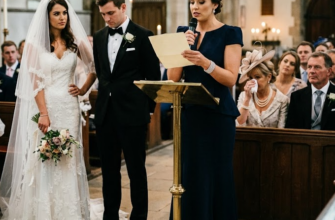
I had been waiting for the moment that would change everything forever. That moment came during our engagement party — an elegant dinner for fifty people. When it was my turn to speak, my hands trembled slightly — not from nerves, but from inner calm and confidence.
“First of all,” I began in English, “I want to thank all of you for welcoming me into the family.”
I paused, smiled, and then smoothly switched to Arabic:
“Since you have spent six months speaking Arabic among yourselves, I think it’s time for me to join the conversation.”
The room fell silent. Calmly, I repeated their jokes and whispered remarks — but now everyone heard them. Their words sounded very different when they came from my voice.
“At first, it hurt a little,” I said gently, “but now I’m grateful. Because now I know exactly who respects me, and who never showed any respect.”
There was a pause. My father, who understood nothing, quietly asked:
“Is everything okay?”

I looked at Rami, my eyes calm but certain:
“No, Dad. Not everything.”
That same night I made a decision that changed my life. I decided to end the engagement. Rami begged me to reconsider, but I was firm. I didn’t want revenge or destruction — I only wanted honesty and my own dignity.
The next morning I packed my things and left. And for the first time in many months, I felt an extraordinary lightness — not because I walked away from a man, but because I stopped pretending to be someone else.
A few weeks later I received a letter from Rami’s younger sister, written in Arabic:
“That evening you taught me one thing — silence does not mean ignorance. Forgive us.”
I didn’t need revenge. I needed the truth. And sometimes the strongest form of retaliation is not anger, but dignity, inner peace, and the ability to move forward.
From that day on, I understood: a woman’s true strength lies in her honesty, in her ability to love herself, and in the freedom to be who she truly is.