
In one of the most prestigious office buildings in the city, where the glass walls shone so brightly it seemed as if the sun was shining directly from inside, a recruitment for programmers for an international project was taking place. The company was known not only for its strict technical screening, but for even stricter requirements regarding corporate culture.
In front of the door, since early morning, a line had already formed: young specialists in perfectly tailored suits, graduates of the best universities, confident, fast, speaking the language of technology as fluently as their mother tongue.
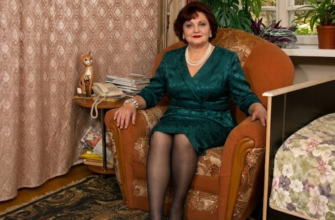
And then, as if the air in the corridor changed by itself, she walked in. A woman around sixty. A strict, dark suit, neatly tied hair, a leather, slightly worn briefcase — it was clear it had served her for many years. She walked calmly, with dignity, took a place at the end of the line, and rested her hands on the briefcase.
At first, there was silence. Then a short giggle. Another one. Someone tried to cover their mouth with a hand, but it only made the sound louder.
— “Seriously? She’s here for an interview?” — whispered, but loud enough for everyone to hear.
— “Maybe… she mixed up the floors?” — another one smiled.
A few people smiled awkwardly, exchanged looks; someone tried to be polite, but it only made things more uncomfortable. The laughter wasn’t malicious — more nervous, uneasy. But still unpleasant.
She sat motionless, not reacting. As if she didn’t hear the laughter at all, only the sound of rain outside — a part of the world she had long learned to accept calmly.

And then something happened that changed everything. One of the girls — slim, in a light suit, with a laptop on her lap — suddenly stood up and said quite loudly:
— “Hey. What’s so funny here?”
The corridor fell silent.
— “After all, we all came here on equal terms. Age doesn’t make anyone worse. And none of us knows how much experience she has. Maybe she’s been programming longer than we’ve been alive.”
A few people lowered their eyes. Someone cleared their throat. The laughter disappeared immediately, as if someone had muted the sound.
The woman looked at the girl — calmly, warmly, with gratitude. For a moment, something like “Thank you. But I’ll manage on my own” appeared in her eyes.
The line moved into the room for the group part of the interview. A large, bright room, HR specialists, a long table. Everyone sat down. They were nervous. Silence fell. The first to raise his hand was the same young man who had earlier giggled awkwardly in the corridor:
— “Excuse me… may I ask? Will she also be taking the technical part? Just…”
The sentence hung in the air, like half a question, hiding what no one dared say out loud.
The HR director — a woman around forty, confident, calm — looked at everyone carefully. And said:
— “I think you should know the truth.”

The room became so quiet that you could hear someone reflexively click a pen.
— “This woman — she’s our employee. She is not a candidate. She is part of today’s test. We’ve been observing you since the moment you entered the corridor.”
A few people froze. Those who had laughed — turned pale. The girl who stood up for her — sat upright, not averting her gaze.
The HR director continued:
— “In our company, it’s not only important to know code, algorithms, frameworks. What matters is the ability to work alongside people who differ from you in age, experience, character. We evaluate not only professionalism, but also the capacity for respect, empathy, and teamwork.”
She paused — the same pause that makes the meaning of her words sink deeper.
— “We noticed who smiled. Who greeted. Who was attentive. Who did not fall for stereotypes.”
The woman quietly lifted her eyes. A faint, almost imperceptible smile appeared on her face — friendly, but without a hint of triumph.
The results were announced after twenty minutes. Only three passed. Not the loudest. Not the most cautious. Not those who first discussed difficult algorithms. Among them was the girl who had stopped the awkward laughter.
As the others left the room, almost everyone thought about their own things. But one thing was shared: for the first time, they truly understood that the real test doesn’t start when they ask you to write code. But when a human stands in front of you. Every human. A test of humanity — the quietest. But also the most real.