
A blind girl was born into a family where beauty was everything. Her two older sisters shone like the sun: their eyes were considered a gift, and their smiles were the pride of their parents. And her… to the family, she seemed like a mistake, a reminder that life is unfair and cruel.
Her mother, the only person who truly loved her, died when the girl was five. She held her hand and whispered, “Darkness does not make a person worse. You see the world differently, but that is also a gift.” After her death, the father became cold, irritable, and strict. To him, she was no longer a daughter — she was simply “that one.” During family meals, they tried not to notice her, hid guests from her presence, and any display of feelings from the girl was ignored.
Years passed. The girl learned to read Braille, dreamed of books, travel, and a world she could not see. But every step she took was met with quiet disdain from her family. She learned to live in silence and darkness, to listen to the sounds of the world, sense scents, and recognize people’s moods through their voices and gestures.
When she turned twenty-one, her father decided it was time to “arrange her fate.”
One morning he entered her room. She was sitting with a book, slowly moving her fingers over the Braille dots.
“Tomorrow you are getting married,” he said dryly, as if announcing a council decision.
She froze. The words hung in the air, empty and foreign. Getting married? To whom?
“To a poor boy from the street,” her father continued. “You are blind, he is poor. A suitable match.”

Her heart tightened. She wanted to protest, to scream that this was wrong, but the words stuck in her throat. She knew she had no choice.
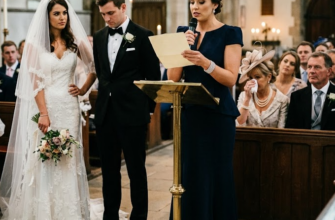
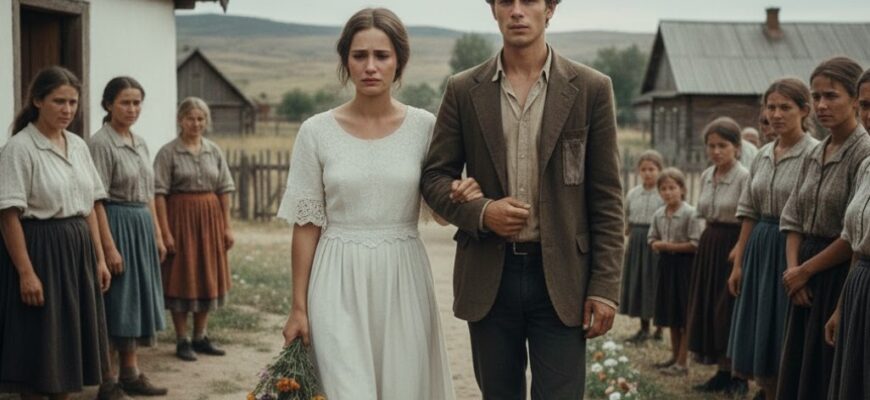
The next day, a modest ceremony took place. No joy, only a few indifferent neighbors and quiet comments: “Blind and poor… what a match.” Her fiancé was a stranger to her. Her father simply pushed her forward and told her to take his hand.
After the ceremony, her father shoved a bag of clothes into her hands and said:
“Now he is your husband. Live as you wish.”
And he left, leaving her in a strange world, with a stranger, alone, where every sound seemed louder and every step heavier.
But life had a different lesson for her.
Her husband turned out to be a man with an extraordinary soul. He never raised his voice, always asked if she was comfortable, described each day with care, spoke of the world around them: what the sky was like, what trees grew along the road, how the flowers smelled. He shared the world in a way she could feel with her heart. His patience and attentiveness gradually melted the fear and cold that her father had stamped on her life.
Months passed. The girl discovered a new world — a world of care, understanding, and respect. For the first time, she felt valued not for her appearance, not for wealth, but for who she was. She learned to trust, enjoy small moments, and feel a life that had once seemed distant and inaccessible.

One day, the father accidentally overheard a conversation at the market. People were talking about a man who gave large sums to the poor but lived modestly, refusing inheritance because of his principles. The father’s heart trembled — it was about his son-in-law.
That evening, he came to their house. At the doorway, he did not see a poor man, but a confident, calm, and dignified man in his simplicity. Beside him stood his daughter — calm, self-assured, with a slight smile. She held her husband’s hand and, for the first time in her life, felt no fear.
“I am not poor,” the man said quietly. “I just wanted someone beside me who sees with their heart. And I found her.”
The daughter looked at her father gently but firmly:
“You called me cursed, father. But it was blindness that taught me to recognize true values. It is not appearance or wealth that makes a person great. The heart does.”
The father stood stunned. His daughter’s words reflected his own mistakes, indifference, and blindness of the heart. He realized that true value lay in love, care, and kindness — things he had never given his daughter.
The girl’s life changed forever. She no longer feared the world and had learned to truly see it — through the hearts of people. And the father, for the first time, felt emptiness and loss, realizing that love, attention, and human goodness cannot be bought or forced.