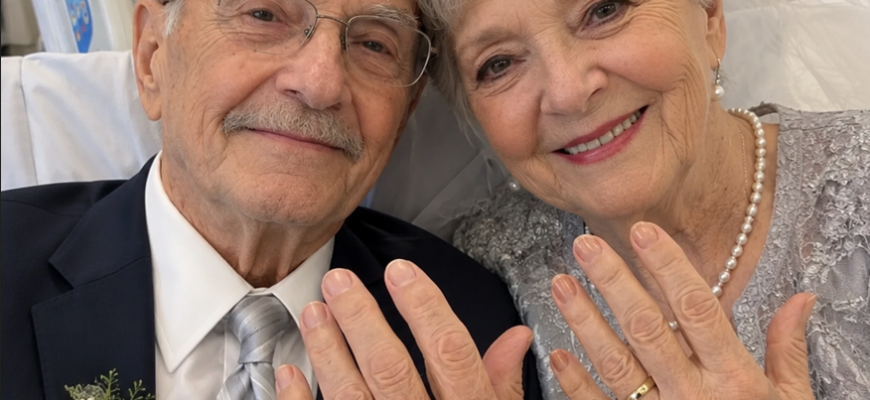
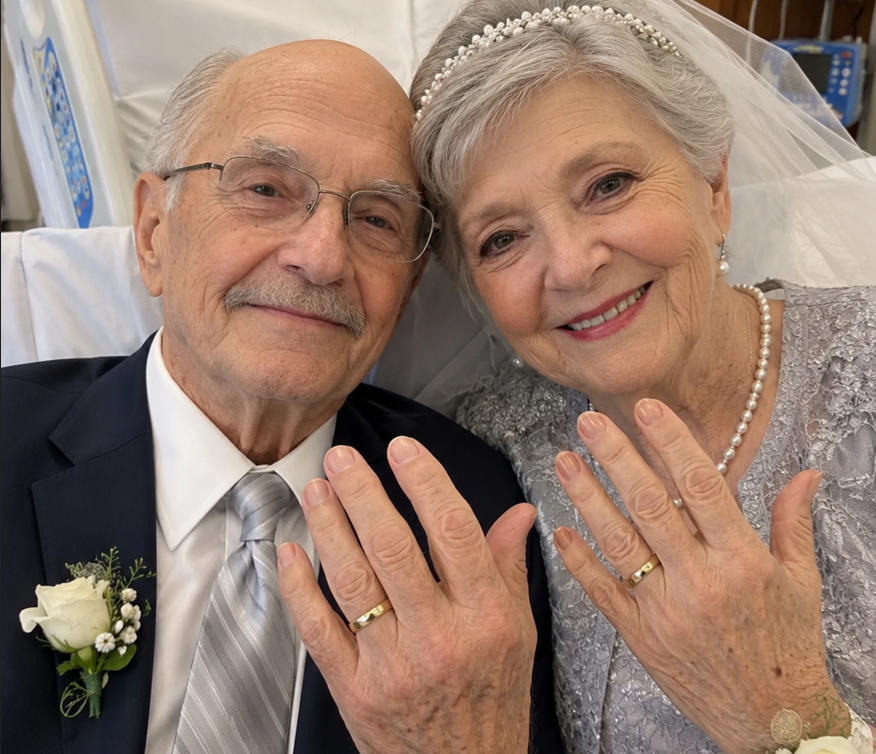
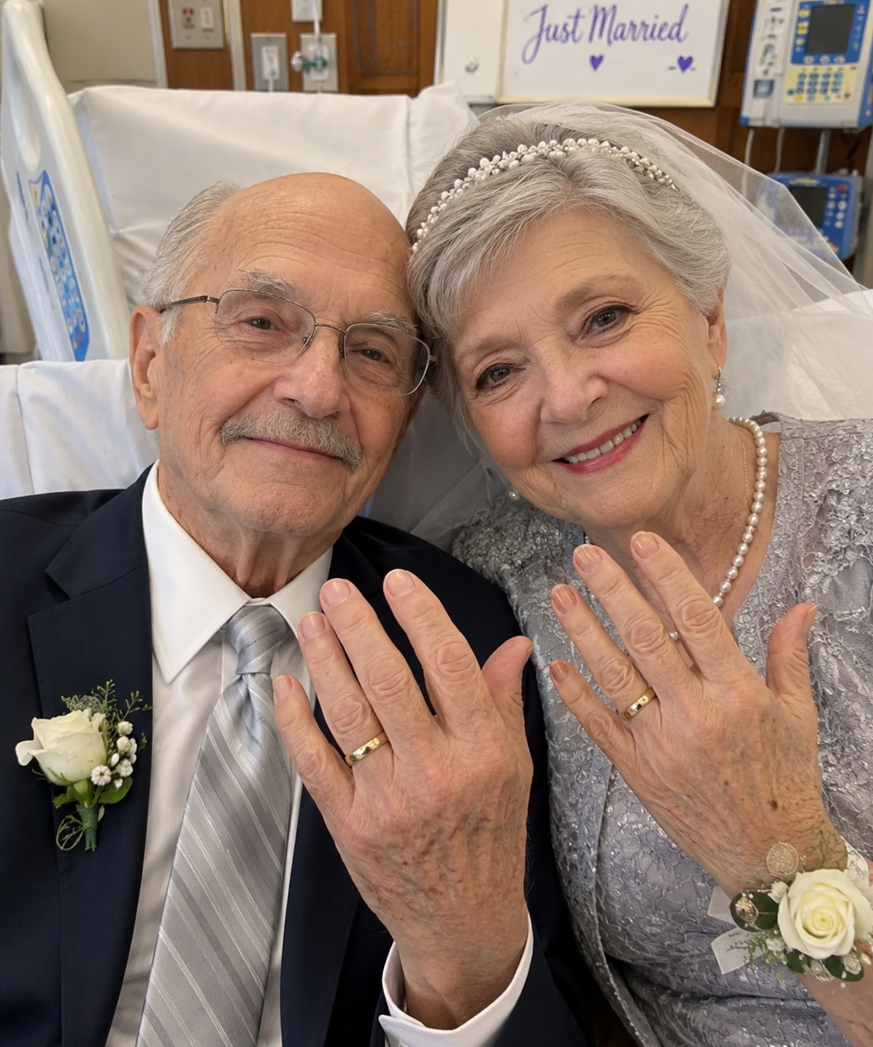
She believed that saying goodbye to the man she loved more than anyone else in the world would be the most painful trial of her life.
But she was wrong.
The real reason he came back to her was revealed only after he was gone.
Rain tapped softly against the window of Helen’s rented apartment.
She sat alone, stirring a cup of coffee that had already gone cold—a luxury her modest budget could barely afford.
At the age of seventy-three, she returned to the city she had left when she was seventeen.
The streets had changed, the shops had different names, and the faces of passersby seemed unfamiliar.
But the very air of that place still remembered her youth.
Her modest pension barely covered the rent and food.
So Helen took her old diploma out of the closet, bought a new nursing uniform, and got a job as a nurse at the local hospital.
It was the same profession from which she had retired many years earlier.
Coming back felt strange.
Almost nothing looked the way she remembered it, yet everything carried echoes of the past.
Helen never married.
She never had children.
Over the course of her long life, she had romances, and several decent men tried to build a family with her.
But none of them could overshadow the memory of her first love.
She had not spoken his name aloud for more than half a century.
His name was Richard.
They met when they were both seventeen.
At that age, promises seem unbreakable simply because you believe in them with all your heart when you make them.
Helen had been accepted into a prestigious college in another city.
Richard decided to stay behind and help his father in the family workshop.
At the bus station, as she was leaving, tears shimmered in his eyes.
“Please don’t leave, Helen,” he pleaded.
“I have to,” she replied quietly. “I’ve worked too hard for this opportunity.”
“Then you’re breaking my heart.”
Those were the last words they said to each other before a separation that lasted fifty-six years.
The persistent ringing of the phone interrupted her memories.
Helen knew who was calling before she even picked up the receiver.
It was Philip, a distant relative.
He claimed he was calling just to check on his beloved cousin.
Even though they had barely spoken over the past thirty years.
Yet ever since she returned to town, Philip had called every week.
His voice was always friendly, but his questions made her uneasy.
“How’s the apartment?” he asked. “Rent must be hard to manage on a single pension.”
“I’m managing.”
“Have you sorted out your documents? Your will? Your bank accounts? A single woman your age has to be prepared for such things.”
Helen forced herself to keep her voice polite.
“Everything is fine, Philip.”
“You know, I was constantly helping our aunt before she passed away. I completely managed her finances and affairs. Family has to take care of family.”
After those words, Helen’s coffee suddenly tasted bitter.
She remembered that their aunt had died in extreme poverty in a tiny rented room.
“That was very kind of you,” she replied. “But I have to get ready for my shift.”
Helen hung up before he could ask anything else.
The hospital smelled of disinfectant, medicine, and the quiet anxiety that seemed to live there permanently.
That morning, she pushed her cart down the long hallway, checking room numbers and patients’ charts.
She already felt exhausted, even though it was not yet ten in the morning.
Room 220.
A new elderly patient had been admitted for long-term care.
Helen opened the door, stepped inside, and looked at the chart.
The surname on the page made her heart skip a beat.
Richard.
When she looked up at the man lying in the bed, she recognized him instantly.
Time had changed his face, illness had left his skin pale and deep shadows beneath his eyes.
But they were the same eyes that had watched her bus leave fifty-six years earlier.
He looked at her and smiled as if he had been waiting for this moment his entire life.
“Hello, Helen,” he said softly.
For several seconds she could not catch her breath.
She stood beside his bed, clutching the blood pressure monitor, feeling as though her entire past had returned to her in that hospital room.
“Richard,” she whispered. “My God… Richard.”
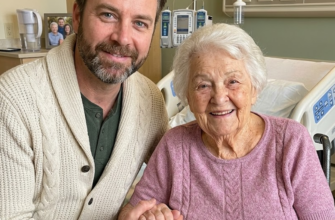
From that day on, Helen found every excuse to stop by his room during every shift.
Sometimes she checked his medication.
Sometimes she brought him fresh water.
Sometimes she simply sat beside him after finishing her duties.
Richard told her he had never married.
Helen admitted the same.
They laughed quietly about their gray hair, aching knees, and the foolish dreams they had once shared.
Sometimes they simply sat in silence.
And that silence erased decades of separation.
“You still drink black coffee?” he asked one day.
“Yes, I do.”
“I knew it.”
There was something extraordinary about his calmness.
Many patients with his diagnosis were frightened, angry, or depressed.
Richard seemed at peace with the world.
He behaved like a man who had waited a very long time for one final event.
One afternoon he asked her a careful question.
“Do you have anyone close to you, Helen? Anyone who helps you?”
“Only a distant cousin, Philip. He started calling me very often after I came back.”
For a second, Richard’s expression changed.
His jaw tightened.
But he quickly relaxed and changed the subject.
Helen did not understand his reaction at the time.
That same week, Philip’s phone calls became even more persistent.
“Are you seeing anyone?” he asked. “You shouldn’t be alone at your age.”
“I’m doing just fine.”
“Haven’t you written a will? There should be a responsible person nearby in case something happens.”
“I told you, Philip, everything is fine.”
He asked which bank held her modest savings.
He wanted to know whether the apartment was in her name.
Once again, he mentioned their aunt, proudly explaining how he had managed her affairs until the very end.
For the first time in her life, Helen felt a chill run down her spine.
But she ignored her intuition.
She often ignored things that made her uncomfortable.
Three days later, Richard asked her to sit closer.
His hand rested gently on hers over the hospital blanket.
It was light and cool.
“Helen,” he said, the seriousness in his voice frightening her. “I feel foolish asking this.”
“Ask me anything.”
“I have loved you my entire life.”
Helen caught her breath.
“I know I don’t have much time left,” he continued. “But there is one thing I have always dreamed of.”
He looked straight into her eyes.
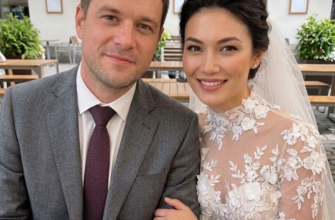
“Will you marry me?”
For several seconds, the room around them seemed to disappear.
All fifty-six years of questions, regrets, and wasted chances seemed to gather in the air.
Part of her mind heard Philip’s voice warning her not to be foolish.
But another voice—the voice of the seventeen-year-old girl she once was—begged her not to walk away again.
Richard had terminal cancer.
He knew he was dying.
This was his final wish.
“Yes,” she whispered.
Tears filled his eyes.
And hers as well.
“Yes, Richard. I’ll marry you.”
He squeezed her hand tightly.
“You won’t regret this, Helen. I promise you.”
There was something unusual in his words.
It was not ordinary reassurance but a carefully considered promise.
At that moment, she believed he was speaking only about their marriage.